TRT Replacement Therapy Near Me: Costs, Insurance, and Payment Options

Finding the right clinic for testosterone replacement therapy often starts with a very practical search: TRT replacement therapy near me. Most people are not just looking for a provider. They are trying to answer three harder questions at the same time. How much will this actually cost me? Will insurance help? And if it does not, what are my real payment options?
Those questions matter because TRT is rarely a one-time expense. It is an ongoing treatment that usually includes lab work, follow-up visits, prescriptions, and monitoring for side effects. A low advertised monthly rate can look attractive until you realize it excludes blood tests or requires pharmacy pricing that changes every few months. On the other hand, a clinic that seems expensive at first glance may include enough support and monitoring to make the total cost more predictable.
If you are comparing local men’s health clinics, primary care offices, urology practices, endocrinology clinics, and telehealth providers with local lab partnerships, the financial picture can get confusing fast. The key is to understand how TRT is priced, how insurers tend to view it, and where hidden costs show up.
Why TRT pricing varies so much from one clinic to another
TRT pricing is not standardized. Two patients in the same city can receive quotes that differ by hundreds of dollars per month, even when both are being treated for low testosterone. That gap usually comes down to the care model.
A traditional medical practice may bill office visits, lab work, and prescriptions separately. If your insurance covers those services, your out-of-pocket cost could be modest. If it does not, you may end up paying cash rates for each part of treatment.
A cash-pay TRT clinic often bundles services into a monthly program. That can include a medical consultation, routine follow-up, periodic labs, and medication. The appeal is simplicity. You know the monthly number. The downside is that bundled programs are not always apples to apples. One clinic may include injectable testosterone, syringes, and estradiol testing, while another may charge extra for each of those items.
Location matters too. In higher-cost metro areas, office overhead pushes prices up. Specialized men’s health clinics also tend to charge more than general practices because they are built around hormone care, patient education, and frequent follow-up. Some patients value that. Others prefer to work with a primary care physician who can manage TRT alongside blood pressure, cholesterol, diabetes, or sleep apnea.
The form of testosterone also changes the math. Injections are often the least expensive option. Gels, creams, patches, pellets, and newer oral formulations can cost far more, especially when insurance coverage is limited. A patient who starts with a gel because it sounds convenient may later switch to injections simply because the monthly cost is easier to sustain.
What you are really paying for with TRT
When people ask what TRT costs, they often think only of the medication. In practice, the medicine is just one part of the total.
The first cost is evaluation. A proper workup usually involves a medical history, symptom review, physical exam or telehealth assessment, and blood testing. Good clinicians do not prescribe testosterone based on a single borderline lab. They want morning testosterone levels, often repeated, and may also check complete blood count, PSA in appropriate patients, liver markers, thyroid function, estradiol, and sometimes luteinizing hormone or prolactin depending on the case.
Then comes the prescription itself. Injectable testosterone cypionate or enanthate is commonly the most affordable route, but prices still vary by pharmacy, dosage, and vial size. A patient taking 100 to 200 mg per week may find one pharmacy charging noticeably more than another, even within a few miles.
Monitoring is the part many people underestimate. TRT is not a set-it-and-forget-it therapy. Doses often need adjustment in the first several months. Hematocrit can rise. Estradiol can shift. Sleep apnea may become more obvious. Fertility concerns may surface after treatment begins. A clinic that monitors carefully is doing real work, and that work is part of the cost.
There are also add-on medications that some men end up using. Human chorionic gonadotropin, fertility-preserving regimens, aromatase inhibitors in select cases, or medications for erectile dysfunction can all change the monthly bill. Not every patient needs these, and some clinics overprescribe them. Still, they are part of the financial reality in the TRT market.
Typical cost ranges you may see
Exact numbers depend on your region, provider type, and treatment plan, so broad ranges are more honest than a single number.
An initial evaluation often falls somewhere between about $100 and $350 when paid out of pocket, though specialist consultations in some areas run higher. Basic lab panels can add another $100 to $300 or more, depending on what is ordered and whether insurance is involved.
For ongoing treatment, many cash-pay TRT clinics quote monthly rates in the range of roughly $100 to $300. That usually covers some combination of provider access, prescription management, and supplies. More premium concierge-style practices can charge more than that, especially if they include frequent follow-up, advanced lab panels, or broader wellness services.
Medication-only costs for injectable testosterone can be relatively manageable if prescribed through a standard pharmacy, sometimes in the range of a few dozen dollars to over $100 per month, but that number can move around based on formulation and dosage. Topical gels and compounded creams often cost more. Pellet therapy typically involves larger upfront procedure costs at spaced intervals, which can make it feel smoother month to month but more expensive over the course of a year.
A realistic annual budget for a self-pay TRT patient can land anywhere from around $1,500 on the very lean end to $4,000 or more when you include consultations, labs, and medication. Patients using premium delivery methods or more extensive monitoring can spend well above that.
That range may sound wide, but that TRT replacement therapy near me is the point. Anyone giving a neat universal answer is probably leaving something out.
How insurance usually handles TRT
Insurance coverage for TRT exists, but it is not automatic, and it is rarely as straightforward as patients hope.
Most insurers want evidence of medically necessary treatment for hypogonadism, not just symptoms like fatigue or low libido. In practical terms, that often means documented low testosterone on lab testing, usually drawn in the morning, sometimes on more than one occasion. They may also want supporting clinical notes showing symptoms consistent with low testosterone.
Even when treatment is covered, not everything around it is covered equally. Your office visit may fall under your medical benefit. Your labs may be subject to your deductible. Your medication may be covered under the pharmacy benefit with prior authorization. One part gets approved, another gets delayed, and suddenly you are chasing three different billing departments.
Insurance companies also tend to prefer certain formulations. Injectable generics are often easier to cover than branded gels or newer products. If your doctor recommends a formulation that your insurer views as non-preferred, your copay can jump significantly or the claim may be denied unless you try something else first.
A common frustration is the patient whose symptoms are real but whose numbers are borderline. He may not meet the insurer’s threshold for coverage even though a treating physician believes a trial of therapy is reasonable. In that scenario, self-pay options often become the path forward.
Another issue is network status. A local clinic may advertise specialized TRT care, but if it is out of network, your reimbursement may be minimal. Some clinics do not bill insurance at all. They give you a superbill and leave reimbursement up to you. That is not necessarily a bad setup, but you need to know it before you commit.
What insurance may cover, and what often falls back on you
Here is where patients are often caught off guard:
- Diagnostic lab work may be covered, but only if ordered correctly and tied to approved diagnosis codes.
- Follow-up visits may apply to your deductible or copay, which means “covered” does not always mean inexpensive.
- Testosterone medication may require prior authorization, quantity limits, or a preferred pharmacy.
- Supplies such as syringes, needles, and alcohol pads are sometimes cheap enough to ignore, but they are not always covered cleanly.
- Related treatments, especially fertility-preserving medications or adjunct therapies, are more likely to be self-pay.
The practical lesson is simple. Do not ask only, “Do you take my insurance?” Ask which parts of TRT are billed to insurance, which parts are cash-pay, and what usually gets denied.
The hidden costs that separate a smart quote from a misleading one
Any time I have seen patients regret a clinic choice, it has usually been because the quote sounded simpler than the actual bill.
One clinic advertises a low monthly membership, but the required lab panels are extra every eight to twelve weeks in the beginning. Another includes testosterone but not provider follow-ups beyond a quick refill check. A third may insist on using an in-house pharmacy that costs more than a local retail or mail-order option.
Travel is another hidden cost. If you search TRT replacement therapy near me, convenience matters more than people expect. Weekly or biweekly injection appointments may seem manageable at first, but a long commute becomes a problem by month three. Patients often do better when they can self-administer injections at home after proper instruction, assuming that approach is medically appropriate and allowed by the prescribing clinician.
Time has value too. A clinic that makes you chase lab orders, refill requests, and appointment availability is expensive in ways that never show up on an invoice. Good follow-up systems reduce missed doses, delayed adjustments, and unnecessary repeat testing.
There is also the cost of poor prescribing. Overaggressive protocols can create side effects that require extra treatment. Underdosing can leave symptoms unresolved while you continue paying month after month. Either way, “cheap” care can become costly care.
Comparing local clinics without getting lost in marketing
The TRT market is full of polished websites and broad claims. The challenge is figuring out who is offering durable medical care and who is selling a subscription wrapped in wellness language.
A reputable provider should be willing to explain how they diagnose low testosterone, what baseline labs they require, how often they monitor patients, what formulations they prescribe, and what happens if your hematocrit rises or fertility becomes a concern. If those answers are vague, the pricing details are probably vague too.
It also helps to notice what kind of medical home you want. A urologist may be especially helpful if you have erectile dysfunction, PSA concerns, or fertility questions. An endocrinologist may be valuable in more complex hormonal cases. A primary care doctor may offer excellent continuity if they are comfortable managing TRT. A dedicated men’s health clinic may provide easier access, better patient education, and a more streamlined process.
None of those models is automatically best. The right fit depends on complexity, budget, insurance, and your tolerance for convenience versus comprehensiveness.
Payment options if insurance does not help much
Self-pay does not always mean unaffordable, but it does require planning. The least stressful TRT experiences tend to happen when patients understand their monthly baseline cost before they start.
Many clinics offer membership models. These can be useful if the fee clearly includes routine follow-up and standard monitoring. The predictability helps with budgeting. Just make sure you know what triggers extra charges. Some memberships sound comprehensive until you ask about additional labs, after-hours messaging, dose changes, or prescription shipping.
Pharmacy discount programs can lower medication costs meaningfully, especially for injectable testosterone. It is often worth comparing independent pharmacies, chain pharmacies, and mail-order options. Prices shift enough that checking every few months is not overkill.
Health savings accounts and flexible spending accounts can also help, depending on the specific service and your plan rules. Patients with high-deductible plans often overlook this and end up paying post-tax dollars when they did not need to.
Some clinics partner with financing companies for larger upfront costs, such as pellet therapy packages or broad wellness plans. Financing can make treatment accessible, but it deserves the same skepticism as any consumer loan. If you are paying interest on a recurring therapy, be sure the treatment plan is stable and medically justified before locking yourself in.
A few practices offer package pricing for quarterly or semiannual care. Sometimes that produces real savings. Sometimes it mainly secures patient retention. Read the terms carefully, especially around cancellations and unused services.
Questions worth asking before you commit
A short conversation can save months of frustration. Before starting care, try to get clear answers to these points:
- What is the total expected cost for the first three to six months, including labs, visits, medication, and supplies?
- Which parts are billed to insurance, and which parts are always self-pay?
- How often will labs be repeated, and what happens if the dose needs to be adjusted?
- Can prescriptions be sent to my preferred pharmacy, or must I use yours?
- If I stop treatment or transfer care, are there cancellation fees or records fees?
Those questions sound basic, but they expose a surprising amount about how a clinic operates.
Why the cheapest option is not always the best value
TRT works best when it is treated like legitimate hormone management, not like a commodity. Cost matters, but value matters more.
A clinic with slightly higher monthly pricing may include timely follow-up, consistent monitoring, and a physician who actually adjusts treatment based on symptoms and labs rather than a one-size-fits-all protocol. That often leads to fewer side effects, better symptom control, and less bouncing between medications.
I have seen patients spend less on the front end and more on the back end because their care was fragmented. They paid separately for urgent visits after running out of medication, extra labs because no one tracked the right intervals, and second opinions because they never felt stable. On paper, the original clinic was cheaper. In reality, it cost more.
That said, expensive does not always mean better. Some premium TRT programs add layers of supplements, peptides, or “optimization” services that are not necessary for most patients. If a clinic’s cost structure depends heavily on upselling, that is worth noticing.
Special cases that change the cost picture
Not every TRT patient fits the standard mold, and those edge cases affect both price and insurance odds.
Younger men who still want fertility often need a more nuanced conversation before starting testosterone. Exogenous testosterone can suppress sperm production, and managing that risk may involve alternative medications or combination therapy, which can increase cost.
Men with significant obesity, untreated sleep apnea, heavy alcohol use, or uncontrolled diabetes may need broader medical evaluation before starting TRT. Sometimes the better first move is addressing those conditions, both for safety and because they can influence testosterone levels.
Older men with prostate concerns or elevated hematocrit may require more frequent monitoring. That is not necessarily a reason to avoid treatment, but it does change the budget. A clinic that quotes a flat low number without talking about these variables may not be thinking through your case carefully.
Patients who travel frequently or split time between states should also ask about refill logistics and telehealth rules. The cheapest local option loses its appeal quickly if you cannot access your medication consistently.
How to find a nearby provider without sacrificing quality
The search for TRT replacement therapy near me should start locally, but it should not end with the first clinic on a map. Read beyond star ratings. Look for signals of actual medical oversight, clear communication about diagnostics, and transparent pricing.
If a clinic cannot explain what your first six months will likely involve, that is a problem. If they promise dramatic results without discussing monitoring, that is a problem too. Reliable TRT care usually sounds a little less flashy and a lot more specific.
For many patients, the best balance is a provider who is close enough for practical follow-up, experienced enough to manage side effects, and transparent enough that the financial side does not feel like a surprise every month. That could be a local urology office, a knowledgeable primary care physician, or a specialized men’s health clinic. The setting matters less than the quality of care and the honesty of the pricing.
The bottom line on costs, coverage, and affordability
TRT can be affordable, but only when you look at the full picture. The real cost includes diagnosis, medication, monitoring, and the clinical judgment that keeps treatment safe over time. Insurance can help, especially for clearly documented hypogonadism, but it rarely simplifies every part of the process. Cash-pay models can be convenient and predictable, though only if you verify what is actually included.
If you are evaluating providers near you, focus on transparency. Ask for concrete numbers, not just monthly headlines. Ask how they handle labs, refills, dosage changes, and insurance claims. And ask yourself whether the care model fits your life, not just your budget for the first month.
The right TRT provider is not just nearby. It is one that gives you a clear medical plan, a believable price structure, and enough support to make treatment sustainable.
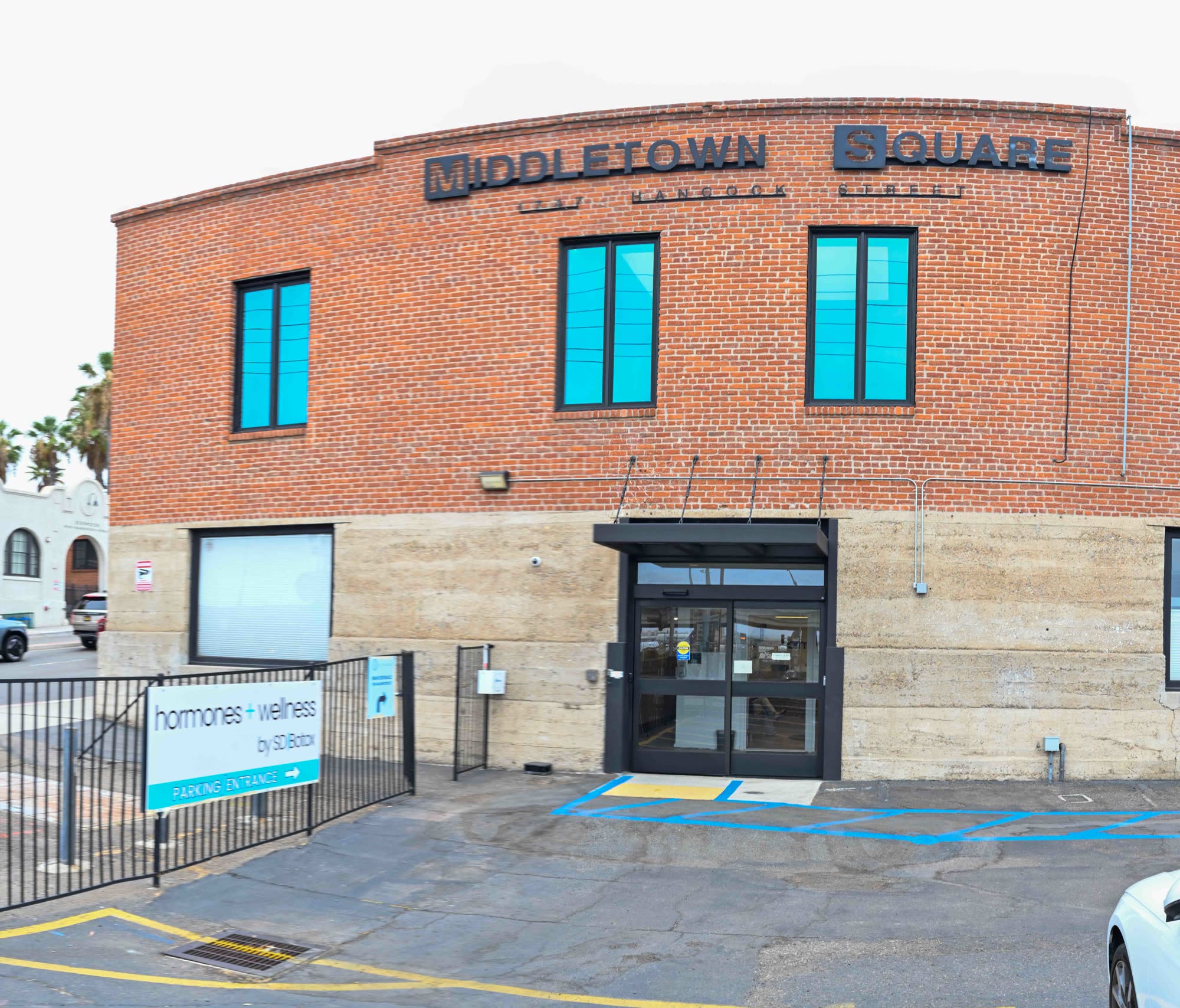
SDBody Mission Hills
Address: 1747 Hancock St Ste C, San Diego, CA 92101
Phone: (619) 772-0252
FAQ About TRT replacement therapy near me
How do I know if I need testosterone replacement therapy?
A clinician evaluates your symptoms and medical history and usually checks testosterone on two separate mornings. Consistently low levels and compatible symptoms help guide the decision.
What monitoring is needed during testosterone replacement therapy?
Follow-up usually includes a review of symptoms, testosterone levels and red blood cell counts. Your clinician may recommend additional monitoring based on your health history.
Can testosterone replacement therapy affect fertility?
Prescribed testosterone can reduce sperm production. Tell your clinician if you plan to have children so you can discuss your options before starting treatment.